

The Waiting Room Isn't What You Think
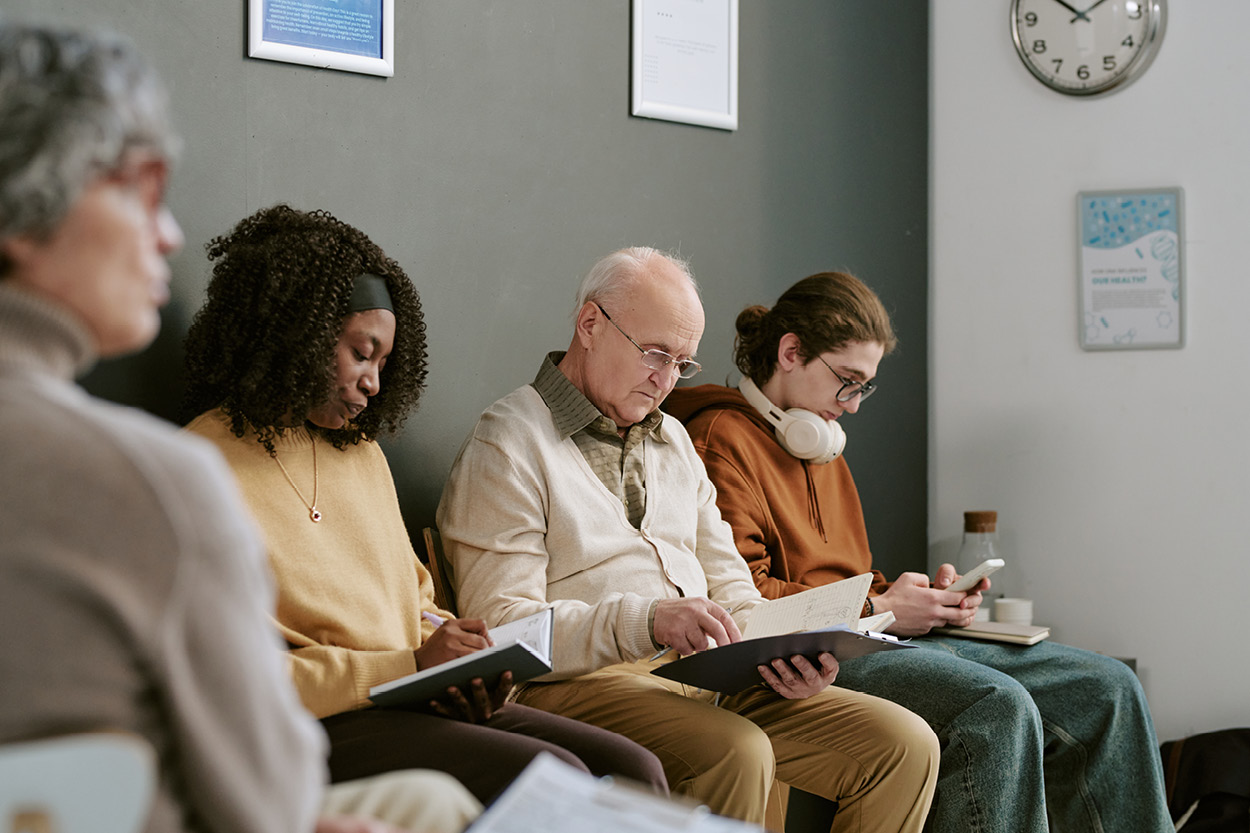
Most people imagine the same scene before they walk into a waiting room. Rows of stiff chairs, a TV playing to no one, and a clock that seems to move slower than any other. In most people's minds, the waiting room feels like a place outside time, where minutes drag on, and dread settles in. The truth is unexpectedly more human than that.
By the time a patient at PCSRI sits down, the hardest part of waiting is often behind them. Scanxiety, the dread that builds before a scan or results appointment, rarely waits for the waiting room. It shows up in a grocery store aisle or wakes someone at 3 a.m. Once a person is in the room, it often feels anticlimactic because anticipation has already done its worst work.
The difference between the dread people bring and the reality of the waiting room matters. Much of the fear around cancer care comes from what we imagine, not what actually happens. The waiting room is not where suffering takes place. It’s often where a small, unexpected relief can begin.
Some of that relief comes from small details that are easy to miss but hard to replace. The front desk staff might greet a patient by name after a few visits. A technologist may remember a patient's grandchildren. These are not accidents. They are choices at PCSRI, because small comforts can help people face bigger uncertainties.
Another kind of comfort is harder to plan for and impossible to manufacture. It is the quiet solidarity of sitting among strangers who understand something most people never learn. No one in that room has to explain what that pre-appointment dread feels like to the person next to them. There is an unspoken recognition between patients, a kind of company that asks nothing and offers everything. Strangers who share a waiting room during this kind of wait often carry each other more than they realize.
The room holds more than patients; spouses sit there, along with parents, adult children, and close friends, each carrying their own version of the wait. Their fear tends to be quieter because it has less permission to be spoken. A caregiver in the waiting room often watches, trying to look steady while someone they love braces for news. That waiting has its own weight, separate from but tangled with the patient's, and deserves to be seen rather than assumed away.
The waiting room is not what most people expect. More often, it is kinder than the fear people bring with them. If you find yourself in one of those chairs soon, it helps to remember that the people around you, the ones behind the desk and the ones seated nearby, understand exactly what that wait costs. You do not have to carry the weight alone. Our team at PCSRI has sat with plenty of patients through this same stretch of waiting, and when your name is finally called, know that we've got you too.